IMO moves to ban HFO use in the Artic

IMO’s Marine Environment Protection Committee (MEPC) has moved to ban the use of heavy fuel oil (HFO) and its carriage for use by ships in Arctic waters after 1 July 2024. However the move has been criticized by environmental groups as lacking real regulatory control, as the legislation contains loopholes and exemptions in addition to the enforcement period which extends well into the 2020s. One provision exempts ships with oil fuel tanks inside their double hull, while another gives countries in Arctic waters the right to issue waivers from the HFO ban for vessels flying their respective flags in the Arctic until 1 July 2029. The ban is expected to be formally adopted at the next MEPC session in June 2021. Read more: Riviera News


MOL Tests First Technology to Capture Microplastics in Ballast Water

Microplastics, the residue of plastic in the ocean, is one of the challenges which environmentalists are looking to confront. In a first of its kind demonstration project, Japan’s Mitsui O.S.K. Lines in collaboration with the Miura Company have developed and tested a water filtration device to capture the plastics. The microplastics collection device is activated during the operation of the ballast water treatment system typically during the cargo handling operations in a port. Using a filter with a backwashing function for the ballast water treatment, the device efficiently collects microplastics trapped in the filter before the treated water is discharged overboard. Based on the results of the first test, the project team is continuing to improve the device. MOL says that they are examining ways to make it easier for crewmembers to use and increase microplastics collection capacity. More information: Maritime Executive


IMO Environment Committee approves amendments to cut ship emissions

Albion Marine welcomes the draft amendments to the MARPOL convention that require ships to combine a technical and an operational approach to reduce their carbon intensity. Draft new mandatory regulations to cut the carbon intensity of existing ships have been approved by the IMO Marine Environment Protection Committee. This builds on current mandatory energy efficiency requirements to further reduce greenhouse gas emissions from shipping. The MEPC also agreed the terms of reference for assessing the possible impacts on States, paying particular attention to the needs of developing countries, in particular Small Island Developing States (SIDS) and least developed countries (LDCs). Read more: IMO News


ERMA FIRST publishes research about advantages of EC ballast water systems

Leading ballast water management system manufacturer ERMA FIRST has published detailed research comparing the effectiveness of its full-flow electro-chlorination technology versus ultra-violet technologies as well as side-stream ballast water systems and systems without filters. The research focuses particularly on the needs of the spot trading cargo fleet, which trades in a range of waters and is potentially subject to both US Coast Guard and IMO standards. According to the shipbroker Clarksons (August 2020 BWTS Report), 46% of the world’s merchant ships have installed electro-chlorination and 25% ultra-violet systems. More information: Tanker Operator

To download a copy of the paper click here


Albion Marine Team Updates November (4)

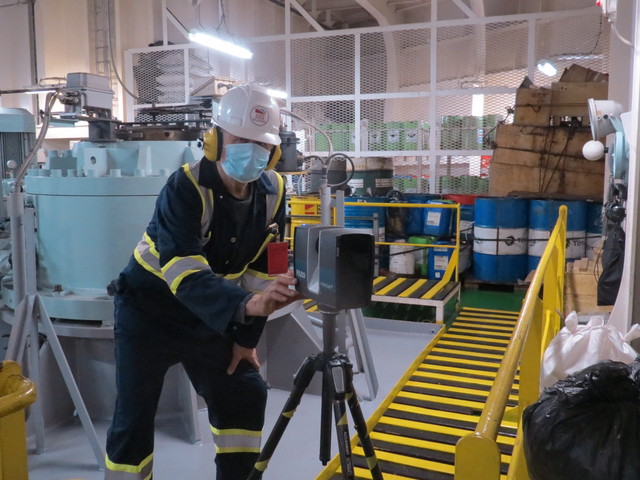
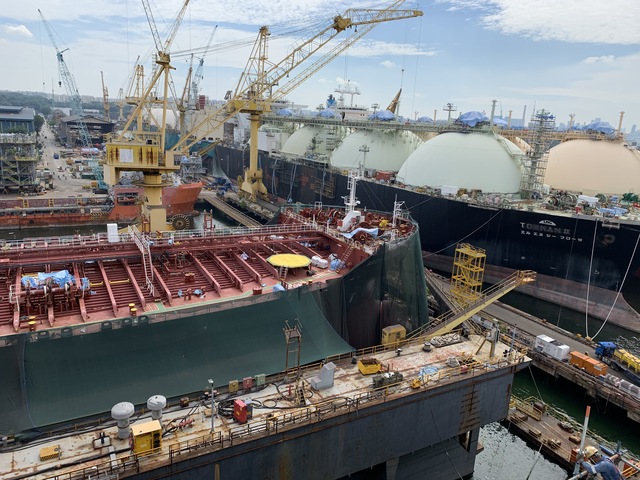
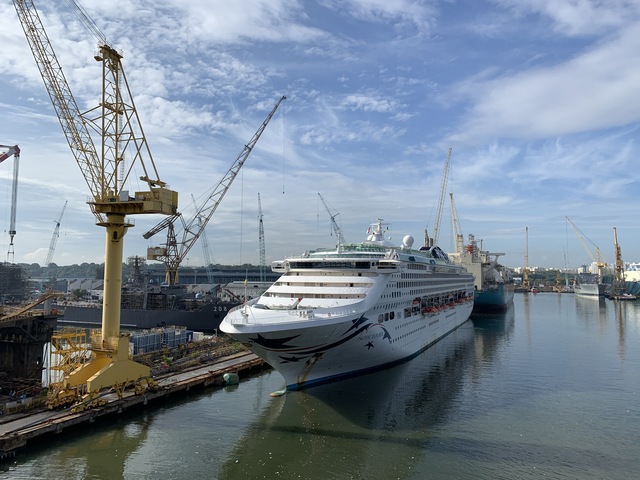
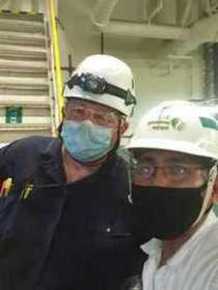
The world may have paused but our professionals continue to deliver! Albion Marine Solutions team has successfully completed several 3D scans across the globe in Europe, China, India, USA, and Canada. Our customers benefit from our unique combination of operational experience, engineering expertise, and project management skills.


Albion Marine Solutions Ltd.

108-1525 Broadway Street Port Coquitlam,

BC, V3C 6P6

Canada

Email : info@albionmarine.com

Tel     : +1 604 529 8488


Home

Our Services

Contact Us

News 

Careers